
The Mejuruá Project
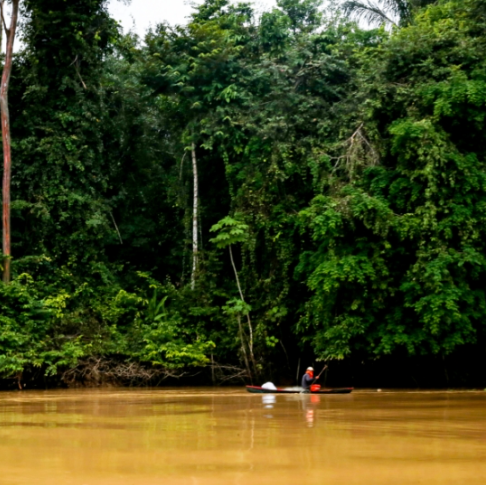
Conservation, Biodiversity and Replicable ModelApproximately 123,000 hectares (1,230 km2) of the project area are designated as a permanent conservation zone for carbon credit generation. This lies within a wider area of 160,000 hectares that is used for sustainable forest management under Reduced Impact Logging (RIL) methods.
Forest conservation
The Iamazonia policy is to be 25% more conservative than the legal guidelines which allow extraction of up to 3% of the biomass once every 30 years. This ensures that in 30 years’ time the forest cover will be greater than it was before the project start date.
The risk of forest fire is negligible. The area has high year-round humidity, low population pressure and is protected through satellite monitoring and on-the-ground surveillance. The project’s baseline model has been independently verified as both conservative and realistic and ensures high additionality.
Biodiversity and environmental services
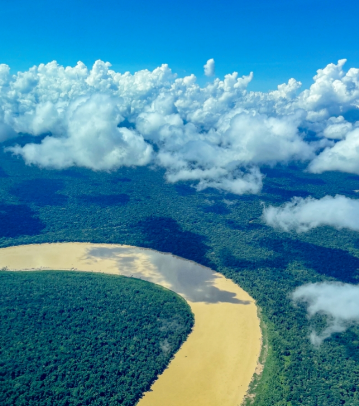
The forest hosts over 900 documented plant species and more than 450 vertebrate species, including mammals, birds, amphibians and reptiles. Several species are classified as vulnerable or endangered, such as the black-faced black spider monkey, the giant otter and several threatened hardwood species.
The project also contributes to water cycle regulation and soil protection across the Juruá river watershed. While these services are not monetized, they are integral to the project’s long-term environmental value. In fact, the Mejuruá area acts as a critical buffer between intact rainforest and advancing deforestation fronts.
The project area has been surrounded by a sizeable buffer area to ensure it does not overlap with any existing or claimed protected areas and complements public conservation efforts; it lies far from the main rivers and other properties.
Monitoring, verification and safeguards
The project is validated under the Verified Carbon Standard (VCS) and is undergoing additional certification under the Climate, Community and Biodiversity (CCB) Standard. All methodologies, baseline assessments and results are independently reviewed and transparently reported through the Verra Registry.
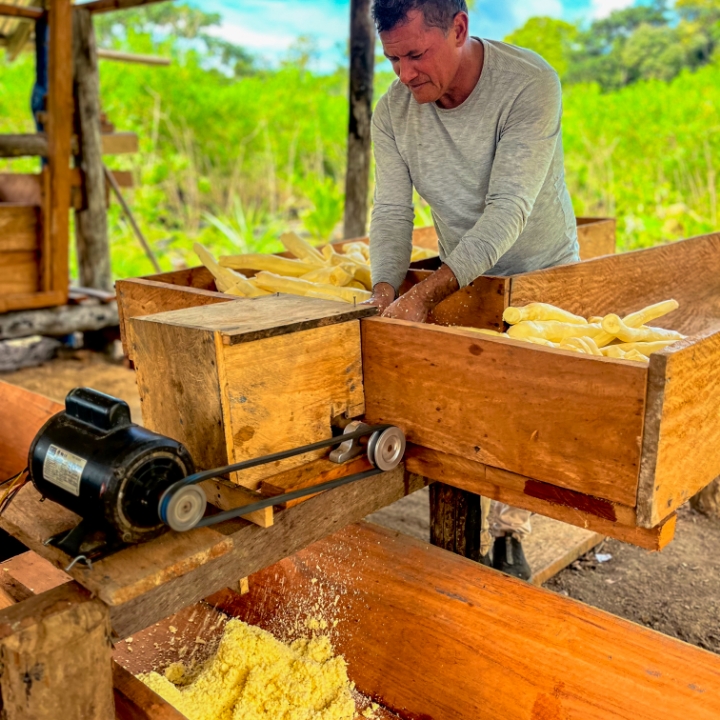
A formal monitoring plan tracks emissions reductions, biodiversity conservation and social impact. Structured reporting, third-party audits and local engagement are built into project operations.
To address leakage risk (or, in other words, the displacement of forest-degrading activities from the project area to neighboring zones), a leakage management plan has been established. This incorporates economic and social development initiatives that reduce pressure to clear trees outside the project area. Given the low population in the surrounding area, the risk of leakage is currently considered low.
A replicable model
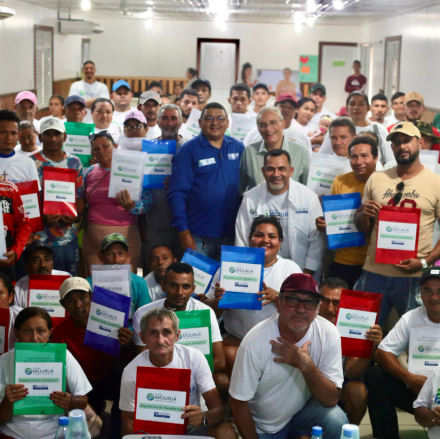
The Mejuruá Project aims to demonstrate how conservation, private finance and sustainable development can work together to protect at-risk ecosystems. It is the first application of Iamazonia’s model, designed to scale to more of the ecosystems that are key to help preserve the health of our planet and limit the consequences of climate change.
Future projects may apply this approach to different ecosystem types, including potentially wetlands, always with independent certification, fiscal responsibility and shared benefits.