
Carbon credits
Carbon credits provide an additional financial engine, attracting international investment and making conservation viable from the outset. Once established, the project is designed to become self-sustaining: diversified revenues from sustainable forest management, non-timber forest products and renewable energy will ensure continuity without depending on external support.

Real green
Iamazonia plans to generate carbon credits that are genuinely green because they are tied to direct land ownership or long-term concessions. This gives full control over the conservation area and ensures that credits are backed by verifiable, long-term commitments. All credits will be certified under the Verified Carbon Standard (VCS), with additional certification under the Climate, Community and Biodiversity (CCB) label where applicable, making them fully traceable, independently verified, and aligned with best practice in the voluntary carbon market.
Fiscally responsible
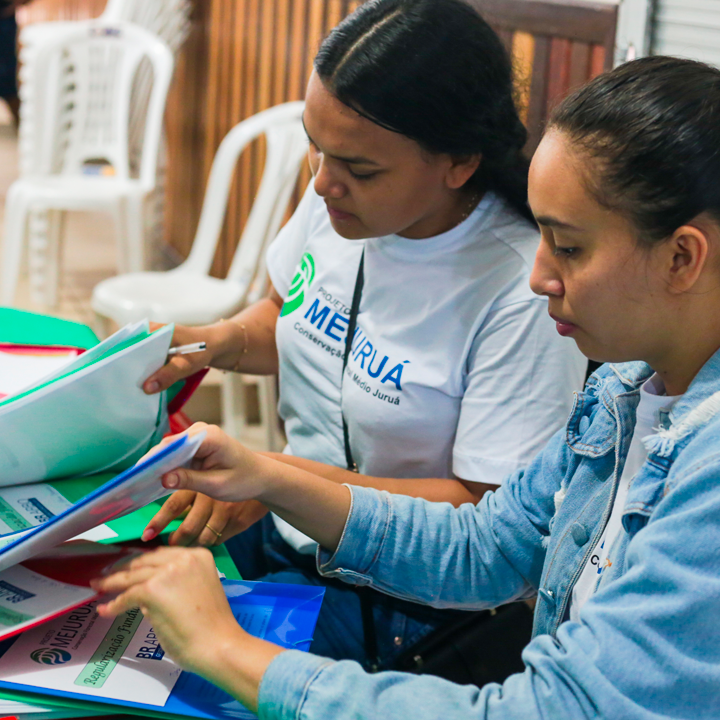
All carbon credit revenues are declared and taxed in full compliance with local and international rules. We reject offshore structures and tax avoidance: revenues are transparently reported where they are generated, so that climate finance directly benefits the territories involved. Fiscal transparency is a cornerstone of Iamazonia’s commitment to credible and responsible climate action.
Enabling conservation
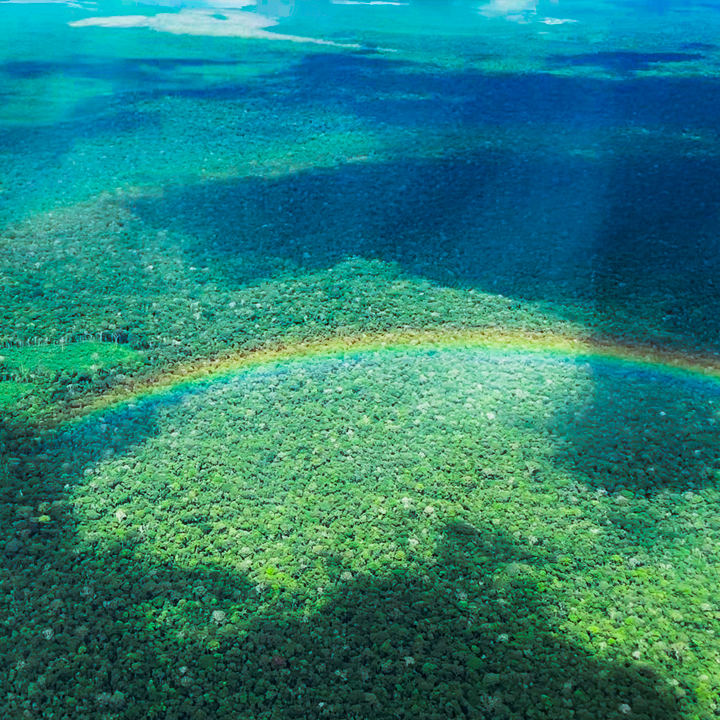
Carbon credits are the key initial enabler of the Mejuruá Project. Our first operational project is in the State of Amazonas, Brazil. The land, privately owned by BR Arbo, was legally eligible for up to 30 percent clear-cutting. This right has been permanently waived, preventing around 81 million tons of CO₂ emissions over 30 years. Validation under VCS methodology VM0007 (Avoided Planned Deforestation) was completed in November 2024, with the first issuance of approximately five million tons expected by mid 2026. The project has also applied for the CCB label, confirming benefits for local people and biodiversity in addition to emissions reductions.

Enabling social development
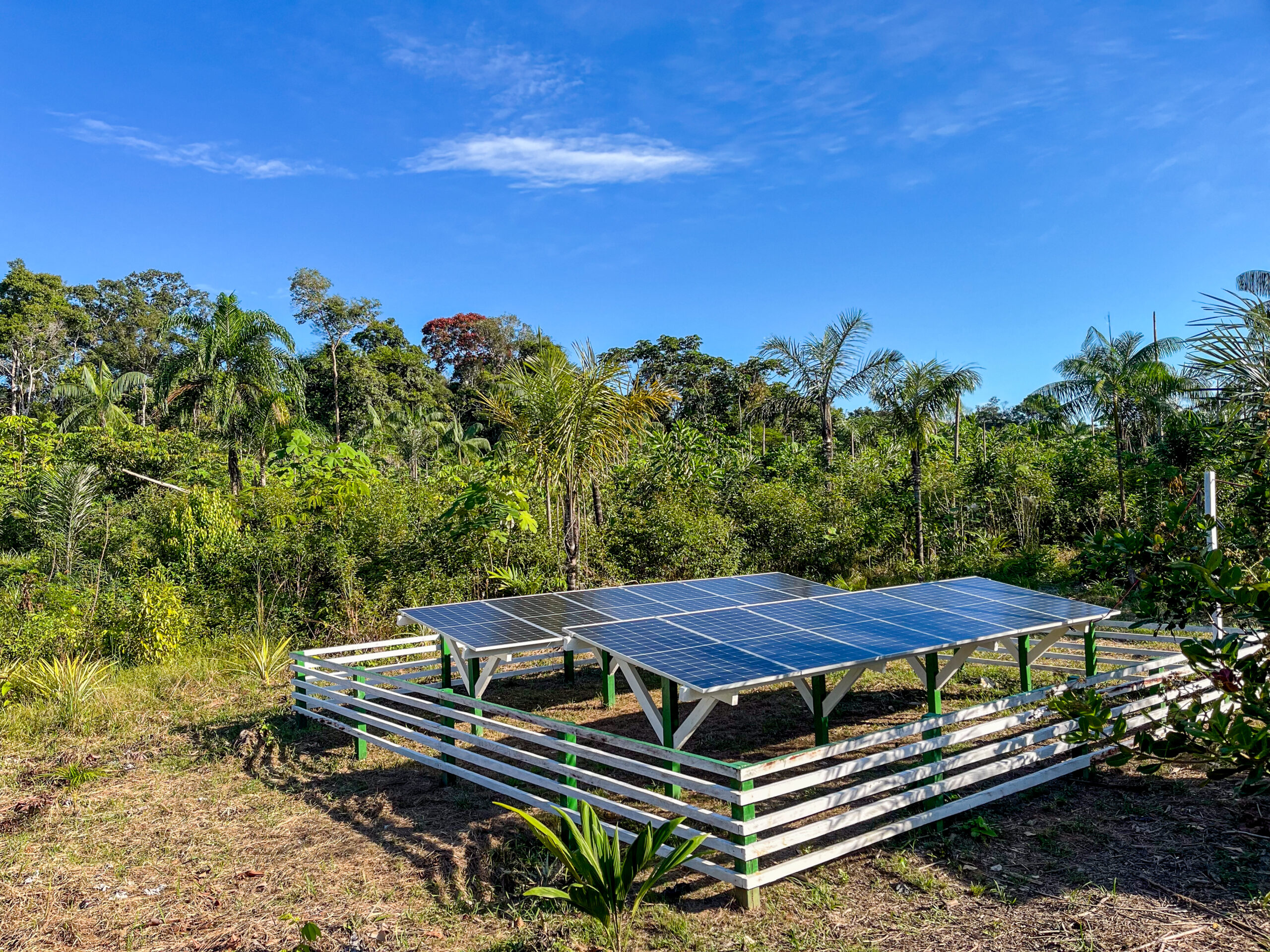
Equally important, carbon revenues fund a structured program of social investment: education, healthcare, clean water, renewable energy and jobs for local communities. This model proves that climate finance can deliver both environmental protection and equitable development, offering a credible alternative to more wild-harvested industries.
Permanence and self-sufficiency
Carbon credits provide an additional financial engine, attracting international investment and making conservation viable from the outset. Once established, the project is designed to become self-sustaining: diversified revenues from sustainable forest management, non-timber forest products and renewable energy will ensure continuity without depending on external support. This makes Mejuruá not only durable over time but also a replicable model for other ecosystems.