
Social impact
US$40M in planned social investments for better education and livelihoods96 families connected with off-grid power; 89 with safe water and satellite internet connections
75 property titles recognised, with residents committing to act as Forest Angels
Iamazonia supports ecosystem conservation models that deliver measurable environmental benefits while addressing urgent development needs. Every project we design and/or sponsor includes a formal plan for social investment, tailored to the realities of local communities. The Mejuruá Project in Brazil is the first full-scale implementation of this approach. While some initiatives are already underway, most outcomes will be delivered progressively over the project’s lifetime, supported by a long-term social investment budget.
Land tenure, basic services and digital access
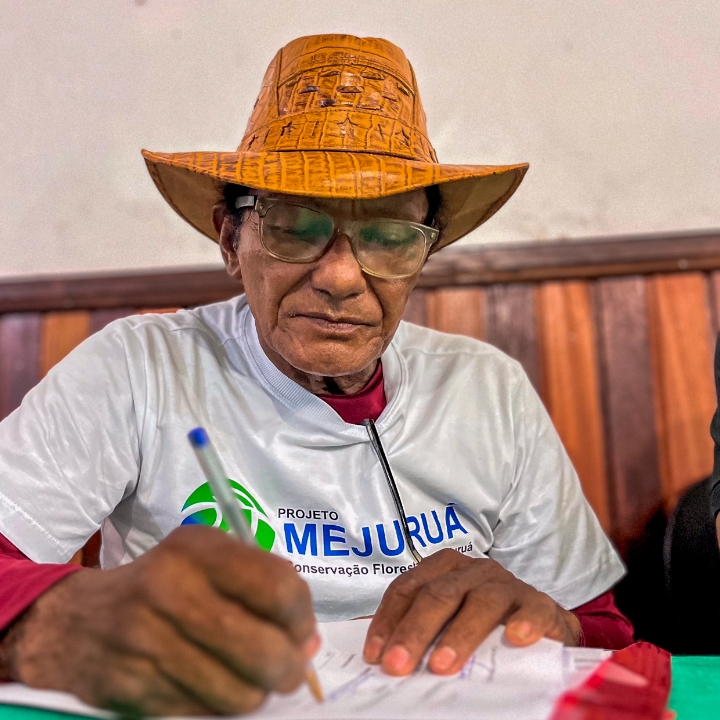
In the Médio Juruá region, many families have historically lived without formal land rights or access to essential services. As part of the Mejuruá Project, a land regularization process has granted secure land titles for free to 75 families, allowing permanent residence, cultivation and sustainable use of wild forest products. Shared areas have also been designated for community resource management.
In exchange for participation in this process, several residents are now engaged in informal local surveillance, helping identify and report environmental threats. These “Forest Angels” draw on their local knowledge and presence in the area, supporting conservation efforts from within the community.
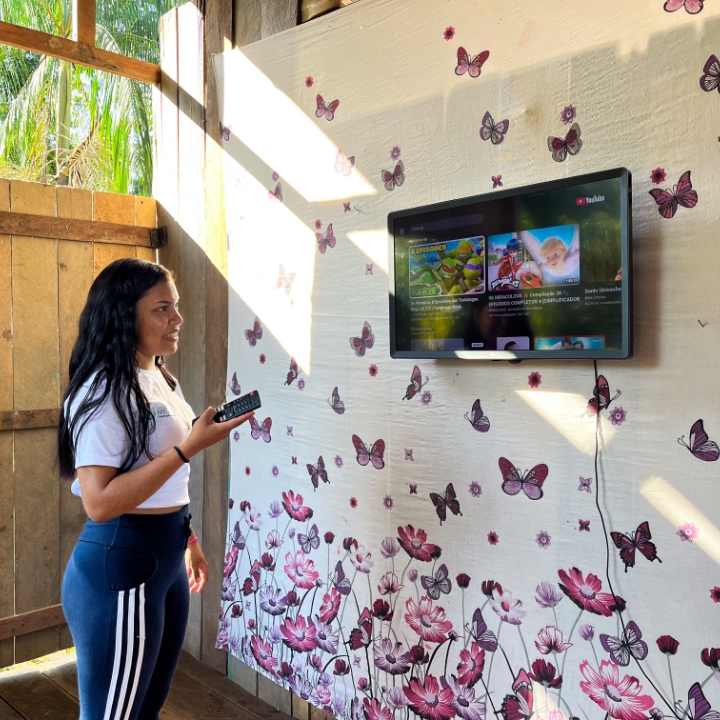
To improve living conditions, the project is rolling out essential infrastructure. Drinking water is now available in isolated areas through solar-powered wells, and 96 off-grid households have received solar energy kits. Starlink internet systems connect remote communities, opening access to online education, emergency services and public information.
Education and opportunity
Historically, access to education in the project area has been limited, with a disproportionate effect on the prospects of women and youth. Project Mejuruá includes a long-term plan for education focused on physical infrastructure, capacity building and local partnerships.
Schools in priority areas have been identified for phased renovation. Teachers and community-based educators will receive training, while youth and adults will gain access to vocational programs and digital learning tools.
The project supports the State of Amazonas in developing a new branch of the Escola da Floresta (Forest School) in Carauari. This institution will offer education and technical training adapted to local environmental and economic conditions.
Sustainable livelihoods and training
Many local economies rely on informal or environmentally degrading forms of income. Project Mejuruá is designed to expand economic opportunities that reinforce, rather than undermine, long-term conservation.
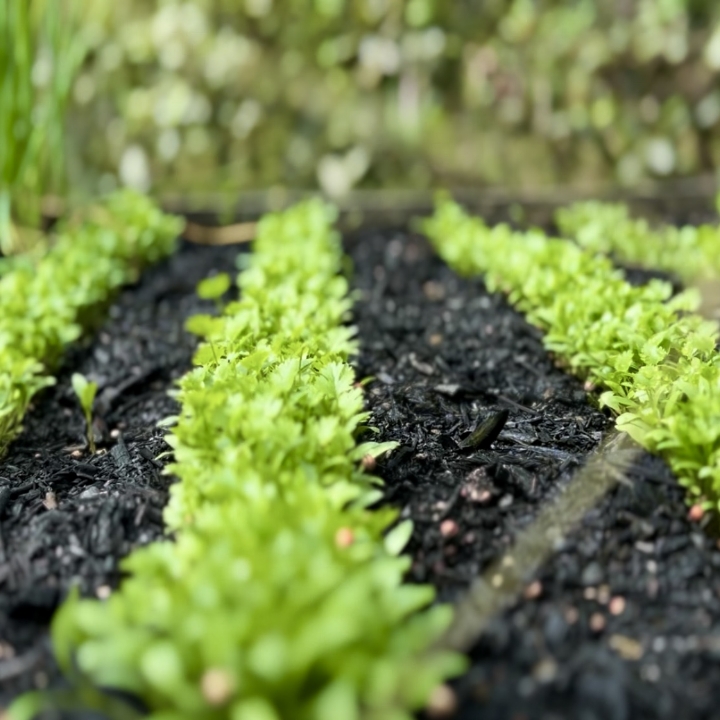
One of the first income-generating initiatives in development is the cultivation of açaí, a small purple berry known for its rich antioxidants. This non-timber forest product depends on standing forest to thrive, creating a direct link between income generation and forest protection. Local producers and community consortia receive technical support to strengthen production, improve post-harvest processing and access formal markets.
From forest to market: Iamazonia and ASMOBRI rebuild the açaí value chain
Over the life of the project, around 1,900 people will receive training across conservation, forest logistics and monitoring. These efforts are part of a long-term strategy to build skills and enable inclusive participation in sustainable value chains.