
Environmental impact
Over 123,000 hectares of forest permanently protected from deforestation
Around 80 million tons of CO₂ emissions avoided over 30 years
Over 30 threatened species identified and protected
Iamazonia supports conservation models that protect high-carbon ecosystems while delivering transparent and measurable results for the global fight against climate change. Our projects follow independently verified standards and combine rigorous oversight with local stewardship. The Mejuruá Project in Brazil provides a first example of how this approach works in practice.
Forest conservation
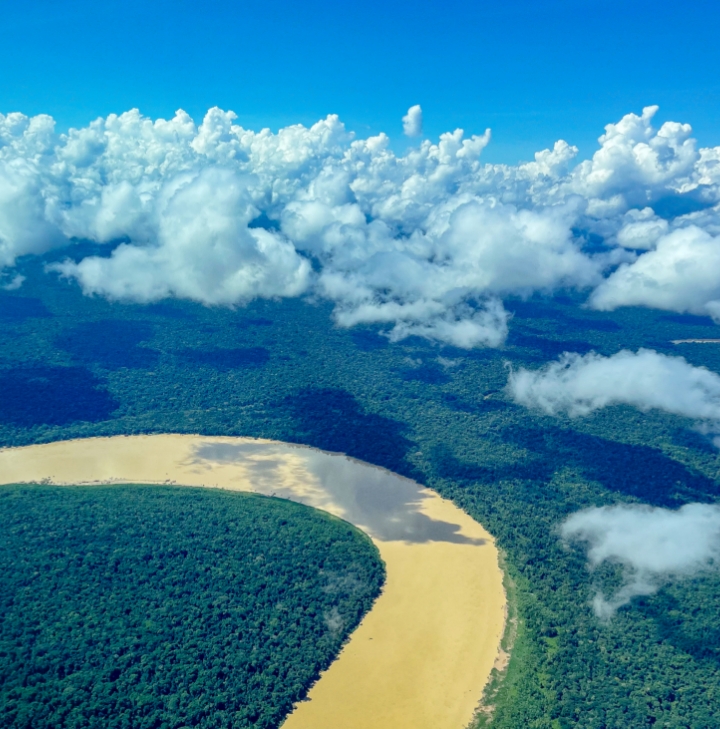
The Mejuruá Project protects over 679,000 hectares (6,790 km2) of Amazon rainforest. Of this, 123,000 hectares were legally eligible for clearing. That right has now been permanently waived. 160,000 hectares are earmarked for Sustainable Forest Management (SFM). This involves reduced-impact logging with strict limits: no more than 3 percent of biomass is harvested per plot, and each plot is left untouched for at least 30 years. Regeneration is monitored, and forest cover is maintained throughout. The remaining area is left untouched and subject to monitoring and surveillance.
Protecting species and ecosystems
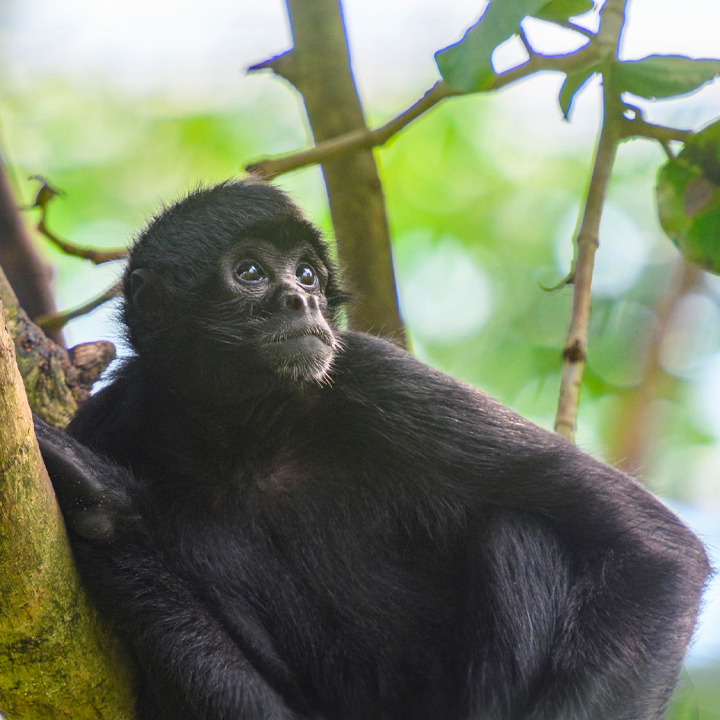
The Mejuruá Project area contains rich biodiversity, including at least 26 animal species and 7 plant species considered near-threatened, vulnerable, endangered or critically endangered. These include the black-faced black spider monkey (Ateles chamek), the giant otter (Pteronura brasiliensis), and tree species like Handroanthus serratifolius and Vouacapoua americana.
Continuous forest cover helps preserve the ecological corridors these species depend on. The project supports habitat protection through a combination of active monitoring, local engagement and legal enforcement.
The entire area is monitored by satellite and verified through field inspections. Local residents assist the project team with on-the-ground surveillance, using their knowledge to detect threats such as illegal encroachment.
Integrating environmental and economic goals
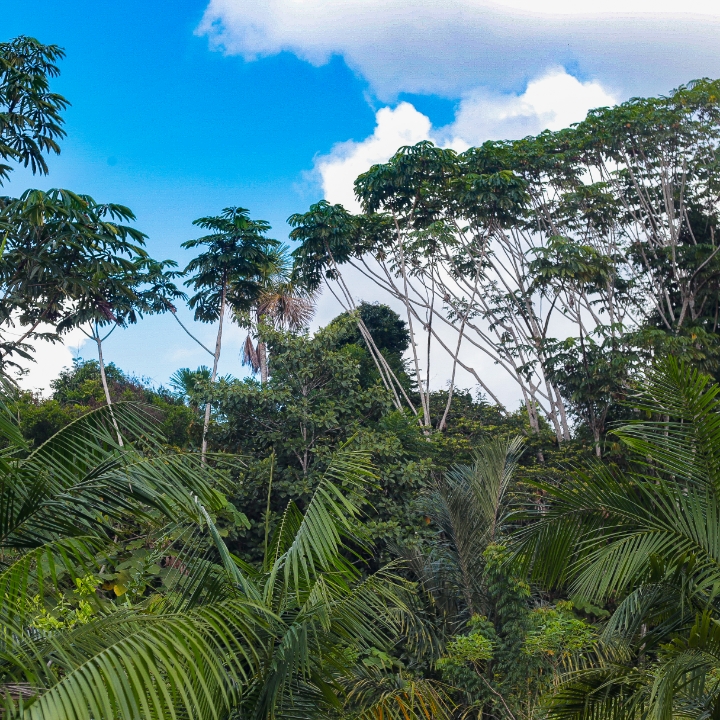
Environmental impact is strengthened when communities have a clear stake in conservation. One example from the Mejuruá Project is the development of sustainable açaí value chains. Açaí palms grow naturally in the rainforest and require intact canopy cover. Harvesting this b without cutting trees offers an income stream that directly depends on keeping the forest standing.
From forest to market: Iamazonia and ASMOBRI rebuild the açaí value chain
In the town of Carauari, which lies next to the project’s area, around 240 families are involved in açaí cultivation. Producers receive support for technical training, value-added processing and market access.
By aligning local livelihoods with forest preservation, the project offers a viable and replicable model. The effect on the environment is not only something we measure, but a lasting change created when people and nature work together over time.